Dedicated to the memory of James R. O’Herron
“One learns survival by surviving.” – Charles Bukowski
Part One: 1 to 3
During the first month, no one took it seriously.
It was just a little of the white stuff on the ground. Cold, wet, familiar. Destined to melt in a day if not in a few hours. It was merely snow, we thought. Snow on the first day of summer. It was preposterous.
*
I didn’t blink at six inches. At one foot, I still ignored it, sloshing through it and stomping it off like it was a dream once I went inside.
But all anyone could talk about was how the world had gone crazy. People stayed indoors and played video games or watched TV. They wrote social media posts about how crazy it was. Then board games came out. Skype calls to stay in touch with distant relatives.
The whole time, the snow kept coming down.
**
When my wife Marcy was still with me, the in-laws would call in winter to catch up. That’s the only other time in my life that I can remember people talking so much about the weather. Marcy’s parents lived in Toronto, and she had a brother in Buffalo and an aunt in Rochester. Someone always asked, “Did you guys get the kind of weather we got here?”
Sometimes the snow got so bad that the State of New York had to shut down the Interstate. In these situations the governor tells people to stay put. Order in place, I think they called it. The state troopers still caught people running out for one last thing.
What happens when you drive in that much snow? The accumulation is too much for you to drive over and it comes down too quickly for the plows to remove effectively. So you park your car, thinking you’ll wait it out. If you keep your engine off, you’ll likely freeze to death. If you keep the engine on, the snow can clog the exhaust pipe, which causes carbon monoxide to fill your cabin, which puts you to sleep before it suffocates you. If you leave your car, you risk getting hit by a moving vehicle or becoming disoriented and walking in circles due to low visibility. Aside from these concerns, there are also dehydration and starvation to consider. I’m sure many people perished thinking they were going to be saved.
****
I watched the snow come up to the top of the front steps to my house before I did something about it. I dug out a path in thigh-high snow to the shed, opened it and tried to start the snow blower. It wouldn’t start. It was relatively new, which is what was so puzzling. I was missing that plastic key that you have to stick it into the ignition to separate the connectors, so I jammed a popsicle stick in there. Imagine the absurdity of eating a cold, refreshing lime popsicle in such weather just to get your snow blower started.
The snow was above the top of the auger enclosure, so a lot of it piled on top of the motor. The machine sputtered to a stop on a few occasions. Cutting one tract in the snow from the garage to the lamp post was arduous; from there to the street was just as tough. As I reached the end of the drive, it flat-lined again and would not be revived. Out of gas, I trudged back through the hip-high fissure to the garage to retrieve my gas can. On my round trip, I thought about the snow accumulating even higher, so high that I would have a cavern to walk through, snow on either side ready to avalanche in and crush me. The idea was simultaneously absurd and terrifying.
Clearing the driveway took hours, into the evening and later, so late that using the headlamp on the machine was essential. I shoveled overflow snow just as much as I pushed the beast along, and all together the effort cost me six hours. But it had been in the low forties during the day and in the mid thirties in the evening, and I thought the weather was pleasant enough given the situation.
I was surprised to see in the morning that the town hadn’t bothered to plow the street.
********
That was the turning point as I later realized. It was the time when the government and the media stopped telling us that it wasn’t a thing. At first they had said, “This thing is only temporary.” “It’s a thing that was coming, we knew about it and we know it will cease.” “The important thing is to not panic about this thing.”
Then they changed their tune. The ‘thing’ became an ‘it.’ “This is just how it is now.”
And it kept snowing.
****************
You’d think that a person would run out of food, and I’m not sure how many people did or didn’t. My method in the early days was to buy groceries often. When it started, I casually tossed a few extra duplicates of my normal selections. Six cans of tuna instead of three or four — that sort of thing. At one foot of snow, I decided to do an inventory of what I did and didn’t have in my cupboard, and was sure to pick up one of everything. You wouldn’t want to be a position to need another cup of brown sugar in that weather. Hence, my spice rack became clogged with things I would never use, like tarragon, herbs de Provence, and cream of tartar.
At two feet, you had to get the basics of survival in a first world crisis: bottled water, toilet paper, medicines, cleaners and such. These things became scarce, as did chicken, beef, eggs, canned goods, and dry pasta. I had the foresight to stock my chest freezer with turkeys, cuts of beef, chicken breasts and pork loin in the early stages.
When the third foot of snow fell, I drove my truck down to the end of my newly snow-blown driveway (which was quickly accumulating more snow). My street hadn’t been cleared yet, but other cars had made enough of a path that I could follow the trail downhill on my street, Fire Hill Road, to the Stop and Shop. I only went at that point to see what it was like. The insides were all cleaned out and no one was shopping.
But outside in the parking lot men and women chatted in circles, and children played in the snow. The adults talked about how crazy this was. There was a lot of laughing. The kids threw snow balls.
I sat in my car with the window open and the radio on, just loud enough to make it clear I wasn’t a creep, but low enough to hear what they said. (The radio was playing Modern English’s “I Melt With You,” a song that was experiencing a resurgence in popularity.)
One of the adults standing in the parking lot said that there was no way the schools could open in September if it continued, and a man who said he worked for the Board of Education agreed. The kids cheered and ran up a snow bank at the thought of no school and eternal, constant snow.
The adults chuckled at their children. Through their laughter I could sense their fear. None of them wanted to go back to their homes and live under the white menace alone, staring at the news coverage in disbelief.
As I drove home, I noticed there was a sign at the end of a several driveways that had a picture of a hand holding a bouquet of flowers. Underneath the picture were the words “Flowers for Plowers.” The backs of the signs had the words “Plower Power!” in a bright blue font underlined in red. At the time, I thought that was a little excessive, especially since the plows were not running.
The following day, the plows began clearing the roads on a twice daily basis. The snow was consistently falling, 24 hours per day, dropping between 8 and 12 inches. Much of the snow melted when the sun was out, creating a slushy mess that would freeze when it went down.
Part Two: 4 to 6
My surname is Kim and I am a Korean American. My family immigrated to this country from Japan shortly before I was born. We spoke English and Korean in the home; however, I can’t speak Korean unless someone else initiates a conversation in that language. It’s as if the language is buried deep within my subconscious.
I had a career as a public high school science teacher. I retired after 30 years and have not worked since. It was an honorable profession, but I don’t have contact with those colleagues and friends any longer. I suppose I haven’t kept in touch because I feel as though I had the best possible experiences with them back then, when we were young and energetic and the kids drove us nuts but we could imagine their potential. ‘Now’ is filled with end times. If I chose to, I could simply sit in my home, check obituaries and gossip, and wait for oblivion. But I can’t do that. I watched my mother do something similar when she waited by the phone for news from relatives in Japan. She was worried sick if her mother or sister was ill; she prayed for my cousin when he wasn’t doing well in his studies at university; and every year she made me sing “Happy Birthday” over the phone to my grandfather, a man I’d never met. And then, the phone calls stopped. There was no one left to worry about.
My mother didn’t want to come to the States as much as my father did. He was a Korean living in Japan, a situation that was untenable for a man who had ambition and didn’t want to be treated like a second class citizen. In the US, he reasoned, he might never become the president, but the public would see that he had something of value for them. Even if they distrusted outsiders as much as the Japanese, the Americans would recognize him for his struggle and reward him with their business. His friends regaled him with stories of the Americans flocking to Korean barbeque, Korean nail salons, and Korean Tae Kwon Do schools.
The stories kept my father optimistic about the American experience, through failed businesses, lost fortunes and racist graffiti. Due to his persistence, he managed to become a success, winning far more than he lost. My childhood was idyllic because of it. I wanted for nothing. I had friends. My family travelled some. I was very happy.
That’s why I’ve fallen out of contact with my parents. When they returned to Japan as successful elderly people, they could hold their heads high in a country that was more accepting of them. I mourned them when they left, knowing it would be the last time I would see them. Like my teaching career, a golden era had been brought to a close and I was able to recognize it, appreciate it and release it.
My parents built a house in Tsunan, Niigata Prefecture, an area referred to as “snow country.”
********************************
I attended Buffalo State University, where I met Marcy. She and I had little in common at first blush, and I think that’s what drew us to one another. Each of us was looking for a new perspective. Marcy was technically an immigrant (her family was originally from Canada), though she had no trouble fitting in when she moved to the States. I was born in America but was raised by immigrant parents, and many people eyed me with curiosity and suspicion; thus, I often felt uncomfortable here. What I remember from our early dates were our conversations, which could last until dawn. She was a thin brunette with freckles who would wrinkle her nose before she laughed, which was usually after I made some matter-of-fact comment that she didn’t agree with.
When we decided that we would continue the relationship after college, I recall that it was a cold day and we were shifting from foot to foot and rubbing our hands together, probably waiting to be let into an early practicum class. I asked, “Where are we going to go after we graduate?” She said, “I don’t care where you take me. Just promise me it won’t be farther north!”
Marcy and I both became teachers. I taught ninth grade Earth Science, which was a survey of many sciences: plate tectonics, geology, meteorology, ecology, and astronomy. It wasn’t too difficult for most students to grasp as we weren’t exploring anything at a deeper level as you might in Chemistry, Biology or Physics.
Where I was content to start my teaching career right away at that level, Marcy sought a much harder path. She pushed herself through additional work to achieve a PhD in chemistry. She taught organic chemistry to college students who struggled through each chapter just as she did when she was an undergrad. I would ask her why. “You don’t understand,” Marcy would say, exasperated.
I think she wanted to prove that she could teach the most difficult subject that she had ever studied; that, in and of itself, would be a feat worthy of her time and effort.
Marcy and I had a child named Zach. He inherited a lot of my features, but he was thin like his mom. Everyone thought he would be a school teacher too, so he surprised us when he became a pharmacist. He took an internship in Denver after college and liked the city enough to stay there. Zach was forty and living in Denver when the snow began to fall.
****************************************************************
Marcy and I had arguments that could not be resolved. She decided to leave and return to Toronto. I would have been content to move out instead so that Marcy and Zach could live in this house, but that wasn’t what she wanted. The divorce was finalized when Zach was already a freshman in college and living on campus. I was suddenly alone, feeling that my lack of comfort and my loneliness was my punishment for not saving my family.
Over time I came to understand that the relationship had come to an end and changes had to be made. My feelings were merely signs of discomfort about a new situation. Marcy’s choice was valid even if it wasn’t what I had wanted. I had to let go of her, as I will have to let go of everything one day. It’s like that saying: you can’t take it with you. I’ve learned not to hold on too tightly to someone or something I’ll lose. It just causes more pain when the person or thing inevitably leaves.
************************************************************************
********************************************************
As four feet became five feet and five feet became six feet, I believe many Americans were looking into their past lives and asking how it could have come to this. I couldn’t have been the only one mired in self-reflection.
I sat and stared out the windows of my house in disbelief. I remembered that Elon Musk had invented a flame thrower for no discernible purpose some years prior. My new distraction became imagining torching my way from garage to street, blazing a path to my neighbor’s house, or attempting to tunnel up to the surface. My scientific mind invariably stepped on the fantasy with questions, and the conclusion was always thus: you would run out of fuel long before the snow curbed its incessant falling.
Six feet of snow against my Colonial-style home made life interesting. Downstairs you felt trapped, with snow covering part-way up the windows, leaving the door to the garage as the only viable exit. Upstairs still felt like normal life as long as you didn’t come too close to a window and look down. It was a nice break from reality, and I felt sorry for the people in ranches and Cape Cods who would likely suffocate if they didn’t leave.
My twice daily chore became snow blowing in the mornings and late afternoons. I ventured outside of the house every other day to feel regular, buying whatever seemed necessary. Plenty of gasoline, plenty of food. One time, I fishtailed going downhill on Fire Hill Road to the Stop and Shop. That’s when I started going the other way to the state road and over to the Super Wal-Mart.
Being a member of the scientific community, I sought an explanation for the weather, and what I came up with would’ve barely passed a ninth grade science class. Here it is: some places on Earth must be pretty dry for there to be this much moisture here. Another thing: the Earth might not be rotating on the same axis and thus isn’t angled to the Sun in the same way. Global warming must also play a role.
But here is the only reasoning that stuck: this is just how it is now.
Part Three: The Great Outdoors
I had maintained a one-and-a-half car width of a trail on my driveway for a while, but then the inevitable happened. The twice daily routine of snow removal created snow banks that rose past my head, and soon they proved to be insurmountable for my machine. The arc of thrown snow hit the top of the bank more often than breaching it. Thus, I had to shovel-push the snow into the street.
I recalled my old colleague, Mr. O’Herron, the physics teacher, and how he would have calculated the exact point in time when the snow bank ridge became impassable. I could have used his help. Not knowing if he was still in town, not knowing if he was alive or dead, I shouted his name, “O’Herron!,” over the racing motor, the same way I had done across the quad when we had rooms in the science wing. It had been a little bit of a distraction, and not something anyone had expected to hear emanating from the window of docile, amiable Mr. Kim. Mr. O’Herron would turn his head, smile and toast me with his can of Pepsi before returning to his lesson plans.
Giving up on the snow thrower was easy once I reasoned that the additional activity of shoveling snow three or four times per day would give me all the exercise I’d need to keep my strength up. Daily snowfall amounts were only 8 to 12 inches, so I reckoned that it would be easy if I kept at it.
When I was done I tried an idea that I had been formulating for a while. I took some old lumber scrap pieces and trimmed them in such a way as to make a wooden box that was rectangular, about two feet long, ten inches wide and ten inches high, and open on one of the two small ends. Starting at the top of the snow bank alongside the driveway, I pushed the box horizontally deep into the snow, cutting in and pulling snow out to dump on the road. I continued in the space next to that hole by cutting in twice, one box next to my first hole and one beneath it. Over and over I repeated the process, going one space lower than the cutout next to it, thereby forming a set of stairs.
The “staircase” in the snow had to be packed down, and I had my doubts that it would truly hold my weight. I pressed it down with the box to maintain the step’s correct dimensions and found that only the first few inches needed compaction; that which lay beneath was already compressed under the weight of the snow above it due to the daily melting and refreezing that occurred. Day by day, I packed down the new snow. It gave me something to look forward to.
************************************************************************
************************************************************************
************************************************************************
****************************************
One day the surface iced over, which gave me my opportunity. The staircase would hold, I believed, and if it crumbled beneath me it would only prove that I was as incompetent at construction as I was at physics. The snow stairs did hold my weight, however, and soon I was standing on the highest snow bank that I had ever summited.
A Facebook message had been circulating for a while about a weekly meet-up at the fire station down the road. It was for locals who needed help or information, or just wanted to socialize. I intended to go in person to inquire about the continuation of snow clearing and to hear other information that might be pertinent. If I would eventually be snowed in, I wanted to know when and for how long so that I could stock up on supplies.
The problem was the sharp curve of Fire Hill Road. At that point, in my opinion, only a four-wheel drive vehicle in low gear riding on the best snow tires could be trusted to handle the bend without spinning out and tumbling over the edge into the river. I had an old four-wheel drive truck with so-so tires that had fishtailed when the storm was in its infancy.
How far was it to the fire station? Two miles? Walking the road would have been preferable to going over land. But the roads were down to one lane and the cars might not have seen me in time due to visibility being limited by the high snow banks. The roads looked like the luge at the Winter Olympics, which didn’t seem hospitable to pedestrians.
After minutes of searching the garage for a sled I realized we hadn’t owned one since Zach was a child. No pool floats, no skis, not even tennis rackets that could be fashioned into snow shoes. I looked all around the house for something suitable to glide across ice-covered snow and came up with a large cookie tray that my wife had left in the drawer under the oven. I took it outside and tested it on top of the snow bank. This method was mediocre; the trip down the slope of the snow bank was fast but the tray didn’t allow me to glide very far due to its rectangular shape. I remembered that I had a charcoal grill on my back deck that had a round cover. I always found it cumbersome to hold while I flipped burgers and turned hot dogs, but it was certainly wide enough to hold my small stature. The round shape seemed more promising for distance.
I had to go through my sunroom to the deck. Opening the door to the deck, I allowed an avalanche of snow inside the room so that I could dig out the lid. Outside, the snow was nearly up to the top of the door frame, but lucky for me the grill was close.
After removing the lid’s handle with a screwdriver, I made a second test run down the slope of the snow bank and discovered that this sled would carry me farther. However, I knew I would likely need to shove, throw or push myself along for a while before I could rely on downward momentum.
What I was planning to do was frightfully insane. I knew I could have hitched a ride on a plow to the fire station and hitched a ride back. I could have called the town and asked a million questions over the phone, saving myself all this time and energy. But after two months of cabin fever, all I had was time and energy. I think I wanted to prove that this old man could perform the simple task of going from point A to point B alone, snow be damned.
I climbed to the top of my snow staircase and jumped into the lid, tucking my legs to my chest to avoid dragging them in the snow. That bought me a few yards, so decided to use this method to travel over neighboring properties. I tossed the lid down, jumped in and glided until I stopped. Repeat. I must have been quite the spectacle for anyone watching out their windows. Whenever I saw a light on, I waved to that house as if to simultaneously ask for permission to trespass and to say thank you for granting me passage.
When I reached the cross street Mortimer Lane, I could see that the gradient of the slope was steeper up ahead. But first I needed to cross the gully of Mortimer to continue across the yards that lined Fire Hill Road. I coasted near the edge of the slope and was planning to climb down the western bank, cross the street and ascend the eastern bank. I suddenly heard a whoop to my right. I turned to see children and young adults playing in the snow. Replete with snow pants, waterproof jackets, boots, wool hats and gloves, they were building snow men and throwing snowballs. The teenagers had snowboards and sleds that they were riding down one snow bank and up the other side. They turned at the crest of the opposite side and glided back across. A half pipe, I believe it’s called.
I instinctively waved like I did in my previous profession where I found it helpful to give a cheery wave and hello to the teenagers who interacted with me in the hallways in the morning. Back then I did it to cover the fact that I couldn’t remember their names. Now it was simply the joy of seeing joy, the happiness of witnessing unbridled play in the absence of dread. More snow equaled more fun in their minds.
Something possessed me to allow the grill lid to continue coasting dangerously close to the edge of the half pipe. It would be decided by fate, I reckoned. Would I take the safe route on foot or would I be shot around like a pinball? The ‘sled’ slowed down to a stop right on the cliff’s edge. The critical tipping point was reached when I adjusted my legs just slightly. Once gravity pulled me into the pipe, there was no option but to go with it and remain as aerodynamic as possible. The downward ride was nothing different than my test run at my house. The short glide across the one lane street seemed slow, and I felt disappointed that I might not make it back up to the top. I should have remembered O’Herron, who would have joined me on my adventure and would’ve had more confidence in our momentum. Up I shot to the top of the opposite snow bank where I was discharged from my craft into the white stuff. I heard a whoop and a cheer follow my stunt, and I automatically waved again in case their approval was for me.
I climbed back into the lid. Once I was ready, I pushed myself into a slow and steady glide down Fire Hill Road. Still nervous about the part where the hill drops and bends, I took opportunities to practice digging my heels into the snow to stop myself. There were also clumps of trees to work around and plowed driveways to cross.
My caution was for naught, however. There was a driveway that I had to cross, so I attempted to stop myself at the snow bank that the homeowner had plowed. My intention was to climb down and climb up on foot. But the snow bank fell apart under my weight and suddenly I was thrown downward, traversing the snow bank and the driveway quickly, then crossing Fire Hill Road, smacking my face against a “Flowers for Plowers” sign, and running up the side of the northern bank only to be propelled further downhill and into the southern bank, which in turn “helped” me along in my journey. There was no doubt that I would be early for the meeting now, I thought, as I held my breath and gripped the edge of the grill lid tightly.
This is exactly what I didn’t want. I had guessed that my truck would lose control down the curved slope ahead – that was the only reason for travelling by barbeque apparatus. Now I was sure that I would be shot like a cannon ball over the snow bank and into the river. What state was that in? Frozen over, I hoped.
But I had no choice, so I went along with it. Back and forth in the half pipe, careening downhill, I saw the curve ahead but not the river. Everything was white. As it turned out, a humongous snow bank had grown over time, probably from plows dumping their loads at the bottom of the hill at the bend before they moved on. By the time I hit the curve I was travelling at over 30 miles per hour and spinning vigorously. My craft did not go into the river, however, but slid around the curved wall of snow and to the left, following the bend in the road.
Once I was shot out of the “luge” I drifted to the driveway of the Fire Hill fire station. I stood and stretched my tight legs and breathed a sigh of relief. It had been an exhilarating ride. I gazed at the size of the snow bank, feeling proud that I survived and glad that I wouldn’t have to do it again.
Near the front door there was a man smoking a cigarette, staring at me in disbelief. He said, “Do you know how dangerous that was?”
He likely thought I was a young adult, but as I approached and pulled my hat off my head showing my advanced years, he stiffened, seeming puzzled. When I asked about the meeting, he threw his thumb over his shoulder and said, “Yeah, the meeting room. It’s past the garage.” I noticed a truck and a compact car in the parking spots near the front door. Other people had either come from another direction or risked driving down that hill.
I thanked him and proceeded inside. When I passed the garage I observed that the bays were now housing snow plows instead of fire engines. I stepped inside the meeting room, which looked to be a common area where firefighters could watch training videos, eat meals, play cards, etc. On this night there was a circle of a dozen chairs set up in the center of the room. I selected the nearest one and sat.
There was a white board facing me that had some information written in purple, loopy handwriting: the plowing would continue twice daily as needed. It also read: number of plows: six (four in operation for snow clearing, two rotated out for maintenance). Then a list of plow drivers’ names and the number of their trucks for people who wanted those details. Running down the side of the white board was a list of films for the weekly movie night at the firehouse: Snow Piercer, Groundhog’s Day, Dr. Zhivago and Fargo.
There was a man wearing a cardigan sweater leading the meeting who introduced himself as Bill Montgomery. Bill sat opposite me in the circle of chairs. To my left was the smoking man who chastised me for my sledding stunt and to my right was a woman wearing a mail carrier jacket designed for cold weather. Several empty chairs separated each one of us from the next person in the circle, so that if we were the face of a clock there would only be humans sitting at three, six, nine and twelve.
************************************************************************
************************************************************************
************************************************************************
************************************************************************
************************************************************************
************************************************************************
************************************************************************
********
“I wonder if we could all start by going around the circle and introducing ourselves,” said Bill. “First, tell us your name. Then perhaps you could give us your favorite memory of living in this area …”
Bill was a friendly man who meant well, but he had no idea the state of panic this put me in. I’m uncomfortable meeting new people. I hadn’t anticipated this being so social and had instead expected to see a podium and a very impersonal bureaucrat leading a press conference of sorts. What would I say? No memories of the last few decades stood out enough to warrant a mention.
As I fretted, Bill went behind his chair and moved the dry erase board behind a staircase in the corner. This revealed a poster on the wall of a Dalmatian dressed up in firefighters’ gear. I immediately thought of the border collie puppy that our family adopted when Zach was around four years old. We called him Zipper, which was my son’s idea, because he was black and white and the patches of white on his chest were somewhat mismatched in a way that looked like he was wearing a zip-up jacket when the zipper is out of place and the two sides of the jacket aren’t lined up right.
I went first. I introduced myself and, because I couldn’t think of anything better, I talked about how much I liked walking Zipper in my neighborhood when he was a puppy. The other three smiled. The smoking man was Elijah Turner, a man in his late twenties who ran a landscaping company in town. He shared a memory of hunting deer with his father along the ridge. Next was Bill, a fit man in his forties who did public relations for the town. He shared memories of going Christmas caroling every year with his church group and how nice the residents were. The last participant was the lady in the mail carrier coat, Laverne Bolton. She had a boisterous voice that made her sound like she frequently told stories to entertain, and her attitude was infectious. She told an exhilarating story from her early days as a mail carrier about rescuing a man from a burning house.
The meeting commenced and quickly proved to be a waste of time. I think Bill’s role was to mollify the public, and in Elijah he had met his match. To Bill’s statement that the government did not know what was causing this much snow to fall in a warm season, Elijah insisted that the government did know the cause and implied that Bill was in on it. The young man was angry about losing his landscaping business; if there was no spring, he had no work to do. Elijah said, “This is probably the work of the global warming hoaxers!” Bill, clenching his jaw, asked, “How so?” “Well, now that the snow is here, EVERYBODY is going to believe in climate change … isn’t that convenient?” Later, Elijah asked why we couldn’t just use flamethrowers, and I had to stifle a guffaw.
On the topic of moving everyone to a warmer climate, Bill told us that there were no areas in the Western Hemisphere unaffected by snow, and that Europe, Africa and Asia were experiencing similar weather (e.g., constant hail in China, blizzards in Russia, snow squalls in India, freezing rain throughout Africa). It was a sobering picture, even though I had never considered running away.
During the meeting, Laverne looked over at me a few times, maybe because I was so quiet. The mail carrier was a stocky woman with a blonde perm and blue eyes. She looked to be in her fifties, yet seemed to be as vibrant as anyone decades her junior, perhaps due to the physicality of her job. Laverne only spoke during the meeting to interject comments about how this weather would go away soon.
At a point when Bill and Elijah were lost in argument, Laverne leaned over to me and asked, “Do you still have Zipper, Mr. Kim?”
I froze immediately. I remembered something that I hadn’t thought of in many years. Zipper had been a puppy, maybe four months old, and I was taking him out to do his business in the yard. The dog had a habit of digging through the rhododendrons on the perimeter of our lawn; I allowed it because he was usually looking for a spot to relieve himself. Sometimes he would get stuck, the leash twisted and turned through several trunks, and I would have to drop the leash, reach into the bush, grab his collar and guide him out.
One night at around eleven I allowed him into a bush to relieve himself. I was looking up at the full moon and appreciating the mature pine trees in the woods behind our house. I couldn’t feel Zipper pulling at the leash any longer and I assumed he was stuck. I dropped the leash and reached into the bush. But it was too dark to see him. I had forgotten my flashlight. I turned to grab the leash again so that I could feel where he had gone, but the leash had disappeared. The leash was bright red, but I couldn’t spot it in the moonlight. I called to Zipper, but there was no answer. I got a flashlight from the house and really searched the woods near the house. Hours passed before I gave up. In the morning, I had to calmly explain the situation to Marcy and Zach. I said he would turn up, but he never did.
To Laverne’s question I answered, “No, that was many years ago and once he was gone I couldn’t bear getting a new dog.”
“Oh, I’m so sorry to hear that! Maybe when this is all over you will find a new four-legged friend to keep you company.” Laverne looked me up and down and said, “Are you the Mr. Kim up on Fire Hill next to Sanka Joe?”
I was a little confused by the question. “Yes,” I said. “I don’t know what Sanka Joe is, though.”
Laverne laughed. “I used to have that route. I’m delivering mail there again now that our staff has been cut due to the, uh …” she gestured with her thumb towards the window and rolled her eyes. “Yeah, you’re Mr. Kim in the brown house, and the red house next door is Sanka Joe’s. I call him that because for years I delivered these packets of Sanka coffee … You remember Sanka instant coffee, right?”
“I do,” I said, recalling commercials for the decaffeinated brand.
“Well, I forgot about Sanka. That was until I had to put these sample packets, freebies I think, in his box nearly every damn day.” Laverne laughed at her own memory. “Yeah, Joe Markovitch or Mankowitz, but I called him ‘Sanka Joe.’”
When the meeting ended, Laverne offered me a ride home, which I gladly accepted. I was surprised to see that her vehicle was a snowmobile, but she explained that it made delivering mail easy and fun, and she didn’t trust a mail truck in the snow. The snow had accumulated in the hours since I left for the meeting, enough to allow the snowmobile to travel on the street.
Laverne dropped me off at my garage. I offered her a cup of coffee to be hospitable in return for the favor she had just given me. She asked, “It isn’t instant decaf, right?” I shook my head. “Ok, Mr. Kim,” Laverne said. “I’ll come in for a cup of coffee.”
Part Four: Any Port
In the morning, I went to the kitchen and made coffee and a light breakfast for two. I wanted to surprise Laverne, but when I turned around she was already standing in my kitchen. She was dressed in her mail carrier uniform and looking around for the first time. “Who picked out this wallpaper?” “All white appliances? Why not stainless steel?” “Do you use all these spices or are they just for show?” She was very inquisitive, looking at the food in my cupboards and refrigerator rather than the food I had made.
I said, “Let’s sit in the sunroom and have breakfast, Laverne.” I wanted her to see the sunroom, which was an addition to the house that my wife wanted. It’s all cedar and looks attractive with very long windows to let in the morning sunlight. Once in the room, I realized that I had forgotten to close the door to the porch when I retrieved the grill lid the previous day, so the pile of snow that had slid into the door’s opening was now hardened in place. The level of total snow accumulation outside was roughly even with the interior ceiling of the first floor. Great, I thought. This room is now off-limits.
“Why don’t we eat in the dining room instead?” I suggested.
Laverne, disinterested in food, said, “We can handle this!” She began to speak excitedly about fixing this problem together. Her plan involved buckets that we would load up with snow, run out of the house via the garage and then dump in the street. I shrugged, not seeing the apparent need to fix the situation. Laverne shrieked, “You don’t want moisture problems in your house! What are you going to do when this all melts?” She was very animated, gesturing at the cedar planks on the walls and claiming they’d have to be torn out if they got wet. I thought it better to go along with what she wanted, and I surely didn’t have any good counterarguments.
We took turns. We had one shovel and four buckets. One of us shoveled snow into two of the buckets as the other person ran the two other buckets filled with snow outside to be dumped into the street. After a few rotations, I was promoted to the Shoveler and she became the Runner. Laverne was well suited to it due to carrying heavy mail bags in all kinds of weather. We were lucky in that the pressure from the snow above the top of the door had compressed the snow underneath it; thus, we weren’t working against a constant avalanche of snow. Eventually we pressed the door shut and locked it.
Laverne brought to my attention other problems, like home heating oil. I was down to a quarter of a tank and had resorted to keeping the house at 45 degrees as an act of preservation. I rationalized this by figuring that snow is a natural insulator and would help to contain the heat on the first floor. That heat would rise over time to heat the upstairs. When Laverne heard this, she balked. “Why do you want to live like this? You could get hypothermia in here!”
We went to the hardware store in my truck and purchased a pipe. We lowered that pipe from my upstairs bedroom window down behind my garage, pressing it into the snow so that it stood vertically. Then we opened the back door of my garage and dug out the oil pipe that stuck out of the wall in the back corner of the house. We joined the pipes with a rubber sleeve that was secured in place with duct clamps, a temporary fix that Laverne claimed would hold until the snow melted. I called the oil delivery company and they sent a truck out with a driver who was willing to climb a ladder with the oil hose over his shoulder, walk it over the roof of the garage to the makeshift pipe and connect it. It didn’t leak much, so we considered that a win. I would stay warm for a while.
We got into a rhythm like this. Laverne came over every day after her shift and poked me to do chores, to cook food rather than eat out of a can, or to fix a nagging household problem. She also got me a “Flowers for Plowers” sign for the end of my driveway.
Laverne was waiting for “normal” to return. She didn’t even use the term “snow,” but rather euphemisms like “the white stuff” or “these conditions.” I once heard her refer to it as “sky garbage.” Laverne even booked a week-long getaway for two to Acapulco that’s good for any time. “As soon as the snow thaws, we can get on that plane!”
When Laverne talked about the snow melting one day, I expressed my doubts. I pointed at the flurries we saw all day and all night. She called me a pessimist, but I don’t believe this is the right term. I see what is and I don’t seek to change it, neither with my physical being nor with my mind through wishful thinking. I go with what is. If the snow should ever melt, I will go with that too. Saying that it will never melt is as strange to me as expecting that it will.
Laverne would ask what I had to look forward to if I didn’t have hope that the snow would melt. I never spent much time on hope when I could plan instead. I planned, then, to continue clearing snow from my driveway, removing snow from my roof and buying supplies until I collapsed or until the snow melted.
************************************************************************
************************************************************************
************************************************************************
************************************************************************
************************************************************************
************************************************************************
************************************************************************
************************************************************************
************************************************************************
************************************************************************
************************************************************************
************************************************************************
************************************************************************
************************************************************************
****************
During the day, Laverne often called to chat. There was much gossip to share. About who was cracking up. Who was shacking up with whom. Who could no longer cheat on their spouses because they couldn’t leave the house and who was divorcing whom. Rumors of abandoned homes. Who was still working and who couldn’t. Speculation over who had freaked out and tried to run to warmer climates, assuming there were any.
One day Laverne called and said, “Turn on CNN right now!” They were covering a story out of Dallas. A group of people had stood on the tallest snow bank in the city, holding hands with their heads tilted back and their mouths open. They all died in that position while listening to the song “I Melt With You” by Modern English on a loop. The cause of death was being debated on screen by four talking heads. Hypothermia, shock, asphyxiation and blood poisoning were the four positions. As they debated, one section of the screen showed aerial close-up shots of the bodies’ open mouths and blue skin.
“They’re calling them the Snow Angel Death Cult,” said Laverne. “Because when they hold hands they look like …”
“I get it,” I said.
It didn’t take long for the Snow Angel Death Cult to inspire copycat cults around the country. Los Angeles, Chicago, Des Moines, Chattanooga, Miami and on and on. Our daily conversations seemed to focus on them, with Laverne recounting all of the details that were available and me just listening. I had nothing to add and the subject had become tedious. “This was to be expected” was my most often used rejoinder. “How can you say that?” Laverne demanded. I said, “This is an unprecedented event. So some folks trudge through it. Some people act as though nothing has changed. Others become despondent. Those people eventually reach the limit of what they can handle.”
Laverne was taken aback. “You think it’s just okay that so many people are committing suicide? Don’t you think something should be done to put a stop to these cults?”
I thought about how I truly felt before I spoke. “If I knew someone in the Snow Angel Death Cult, I would like them to seek help. I would hope that they knew that they are loved. I want them to reach out to me. But,” I continued, “I know that what they decide to do is no more controllable than the weather.”
There was a long pause. Laverne eventually murmured, “Hmm.” That was the last conversation we had about the Snow Angel Death Cult. She called less often during the day and she stopped by more infrequently. On the phone, we moved back to gossip. I wish we hadn’t.
************************************************************************
************************************************************************
************************************************************************
************************************************************************
************************************************************************
************************************************************************
************************************************************************
************************************************************************
************************************************************************
************************************************************************
************************************************************************
************************************************************************
************************************************************************
************************************************************************
************************************************************************
************************************************************************
************************************************************************
************************************************************************
************************************************************************
************************************************************************
************************************************************************
************************************************************************
************************************************************************
************************************************************************
************************************************************************
************************************************************************
************************************************************************
************************************************************************
********************************
There was a moment years ago that forever changed the way I looked at the people who were looking at me. It occurred a year before my retirement on a spring morning at around six thirty. I had just finished my breakfast and was drinking coffee on my front porch. This was after Marcy had left and Zach had moved to Denver. I was alone.
In spring, there were joggers, dog walkers and bicyclists who passed by my house, and I could see them from my porch through the cluster of trees and rhododendrons that buffered the zone between the street and my front lawn. Some folks would casually wave as they passed my house and I would give a lazy salute in return. Too often I would be immersed in a science fiction novel and be interrupted by someone shouting a greeting that required a salutation.
On the morning in question, I had finished my coffee and had come to a chapter break in the novel I was reading when I looked up and saw a young blonde girl standing on the edge of the road directly in front of me. She was staring at me, motionless, through an opening in the trees. The girl looked to be in her late teens, and about five feet, six inches tall. I recall her wearing a maroon sweater that had the name of a university and its crest on the front, though I can’t remember the name of the school. I stood up and gripped the porch railing, about to bellow a friendly “can I help you?” across my lawn when the girl did something that stopped me cold.
The young lady took the bottom of her sweater in her hands and peeled it up past her torso, past her chest and up to her neck, exposing her bare breasts. The situation had gone from a normal morning to something foreign, something alien. While some men my age might be quite excited by a young lady exposing herself, I was confused and concerned for her well-being. I locked eyes with her, looking for some sign of distress or mental illness.
But not after I saw the corner of her mouth turn upwards in a smirk. Not after I heard laughter from the bushes. I couldn’t see who else was in attendance for this show, but I recognized a silly high school prank when one revealed itself. I calmly turned around, walked into my house and shut the door behind me.
I had forty five minutes before I had to leave for work and I used it to seethe. What if the administration hears about this? Nearly thirty years, a squeaky clean reputation and one year to retirement, I thought, and here I am walking into some kind of sexual harassment situation with a student. Did it matter that I was the victim?
I looked at myself in the mirror and got really down. Look at me, I thought. The nice, old Korean man. One of only a few Asians the town had ever seen. Plump, round, smiling face. Bow tie, glasses, bowl-cut hairstyle. I could hear them planning the prank in my head. I bet he’ll fall in love with you. He’s all alone now that his wife left him – I bet he’s a horny creep. He’s probably into some weird fetish though, so watch out! What hurt most was the idea that I was this harmless, sexless, impotent man. That I would do nothing to respond.
At school that day, it was all that I could think about. I admit that I wanted to get the girl in trouble, but after checking a few yearbooks I realized that she had already graduated the previous year. Jessimae Tyler was her name, someone I never had in my class.
The worst part, in retrospect, was how I let this ruin my last year of teaching. I couldn’t look at them, students or colleagues, the same way because I knew how they looked at me. I let that feeling, of being an outsider, of being a target, of being uncool in every way, to fester. I think this is why I avoid talking to my old chums even now. I suspect that they learned of Jessimae’s prank and perhaps some of them thought it was funny.
I didn’t ever want to talk about it again, and once I retired I thought it was over.
But Laverne had done some snooping on me. I guess the gossip well had run dry. Or maybe she was angry with me after our conversation about the Snow Angel Death Cult.
She called on the phone to chat. “I heard a story about you,” she teased. “Was there a high school girl who flashed you?”
I felt my face get very hot and my palms begin to sweat. I knew that Laverne craved gossip, but this felt like an invasion of privacy. I said, in the calmest tone I could manage, “I don’t want to talk about that. In fact, maybe we shouldn’t gossip about anyone.”
Laverne tried to explain that this was all harmless fun, but I was implacable. In response to her protests, I said nothing. There was a long pause. Laverne eventually murmured, “Hmm.” That was the last conversation we had about other people. We were left with very little to talk about.
Prior to this conversation, Laverne had been stopping by a few times per week. She would drive her snowmobile up to my bedroom window and knock like we were teenagers sneaking around. But when we realized that we didn’t have much in common, she stopped visiting.
One night, as I was reading a science fiction novel in my bedroom, huddled in blankets and wondering if I dared turn the thermostat up, I heard tapping at my bedroom window. I was surprised to hear Laverne at my window again, and I thought it would be nice to catch up on gossip just because I knew that it would make her happy.
But when I opened the window I was shocked to see instead of my mail carrier an old, shaggy dog. A black and white border collie, to be precise. I was impressed that such an old dog had made it up the slope. I stroked him behind his ears and on his neck and chest. I began asking him questions instinctively, though obviously I knew he couldn’t answer me. “Are you lost, boy? Where is your master? You don’t have tags. Did you wander away from home? Did Laverne send you? Are you a present?”
He wore a collar but no identifying tags. The stub of an old, frayed red leash was attached by a clasp. I noticed that the black and white patches on his chest were mismatched, much like the puppy I lost in the woods nearly 40 years before. It couldn’t be the same dog, I thought.
I looked into the dog’s eyes and said, “Zipper?”
The dog began wagging his tail. He put his paw up in the air. I said, “Shake?” I took his paw in my hand and we shook. Then the dog jumped through the window into my bedroom.
Part Five: A Firm Handshake
In the morning, I made two bowls of cereal and set one on the floor for my visitor, who calmly ate by my side. I did not believe that he was the same dog, yet I called him Zipper. Maybe I wanted redemption for my guilt over losing the puppy all those years ago.
Zipper went upstairs after breakfast. I found him in Zach’s room sitting on his bed. After Marcy and I decided to have only one child, we combined the two adjoining medium-sized bedrooms by knocking down the wall separating them. The bed was in the middle with the headboard against the exterior wall, just as it had been since the remodeling.
I walked through the room to make sure there was nothing harmful for the dog, lest he still want to chew. A lot of trophies on shelves, hockey gear, skis, old yearbooks and a stereo. Nothing had been moved or touched in over a decade.
“Is this your bedroom now, boy? That’s fine. My son won’t be coming back for this stuff.”
Zipper whined and put his head down between his paws, looking up at me.
I spent an hour or two looking for scraps of wood around the house and garage that could be used for firewood in case I couldn’t get more oil when I needed it. I was worried about the structural integrity of my roof as well. The accumulation compacting over time would eventually lead to a cave-in. Snow had to be taken off, and I believed I could use my roof rake to do the job.
The snow had consistently fallen every day since the beginning of summer and it had reached a point where it was an arm’s length from the bottom of my bedroom window. Therefore, I decided to use the second floor windows to reach the surface rather than my snow staircase. I got dressed in my snow gear, brought up the roof rake from the garage and passed it out of Zach’s bedroom window. I looked to Zipper, who was still on Zach’s bed, and said, “Wanna play in the snow, boy? We can go right out the window.”
That’s when I heard a voice speak to me. “Call to him,” it said. I craned my neck out of the window. Who was there? Someone on the driveway, perhaps. I didn’t see anyone on the driveway or street, although my view was partially obscured by snow banks.
“Call to him.”
The voice was not a shout but rather a calm whisper. I turned to see Zipper standing behind me. I said, “Did you hear that, boy?”
The dog’s eyes were locked on mine. I was the first to look away. I must be cracking up, I thought. I said, “Let’s get some fresh air, Zipper.”
We climbed out through the window and walked around, testing the solidness of the surface. I sunk to mid-boot level, so I was able to circle the house and rake the snow off without tripping. Zipper investigated the trees, peed on one and ran back to me to check on my progress.
When I was done I sat in one of the windows to Zach’s room. I found a pine cone and began tossing it to Zipper, which he dutifully returned to me, over and over, shaking off snow periodically as if walking around in a wet coat would be undignified. I gazed in the distance at the tops of houses peeking out of the snow. They looked like faces partially obscured by masks. Like ninjas. Like doctors with face masks. Lighted windows looked like living expressions while dark windows looked like the dead. A sheet of rolling white lay between us and them. Wind blew small eddies in the snow surface like it was water. Over time, the northeastern wind blew the flakes into new formations, like shifting sand dunes. It occurred to me that once the houses were completely covered and the plows shut down there would be a vast, undisturbed, albus landscape decorated intermittently by the tops of tress, looking like shrubs. And the snow would still come.
I heard the voice again, carried by the wind. “Call to him.”
I looked down and saw my cell phone in my hand, though I didn’t remember pulling it from my pocket. The phone opened to my contacts without my knowledge, and my thumb was hovering over one of the numbers. It startled me to realize that all of this transpired unintentionally; my thumb spasmed, touching the number under it. Still disoriented, still curious about this voice I kept hearing, I stared at the phone as it rang.
My son Zach let the phone ring a dozen times before he answered, tentatively, “Hello, Dad.”
I hadn’t had a true heart to heart with my son since he was a teenager. While he was in college, my marriage to his mom had fallen apart. Zach had asked me to explain to him, in my own words, why it happened. I said, “Your mom thinks that I just take life as it happens. That I let things transpire as they naturally do. She doesn’t see me as a person who fights, argues or complains enough to get what he wants. Mom said she couldn’t imagine being that way, and if she had to wake up tomorrow with no expectation that it would be better than today, it would be like dying.” Zach had listened with his fingers steepled over his mouth. When I had finished speaking, he put his hands over his eyes and said, “The worst of both worlds.” I didn’t know that that meant and he wouldn’t elaborate. After he moved to Denver, we spoke infrequently over the years. Zach had remained allied with his mother and her family in Canada.
I’m sure my call on that day was unexpected. I said, “Just wanted to see if you were getting some of the weather we have here.”
Zach laughed a little at my humorous understatement. He said, “Hold on, let me check … my goodness! It’s everywhere!”
This is how we got going again, returning to something like the rapport we had when he was young. We filled each other in about how the storm had progressed in our respective areas. Denver had been fully equipped to handle heavy snow. However, the crazies that lived there were sure it was a government plot to take away their rights. The right to what exactly was never explained. I told him about Laverne, but I didn’t talk about Zipper. I still expected his owner to knock on my door, at which time I’d have to give him up. It would have been great to see my son, but as I explained to him, my phone was outdated and wouldn’t download any of the apps that let you do video chats. A trip to Best Buy for a new phone seemed impossible.
Still, when I got off the phone I felt good. Zipper was sprawled at my feet. I said, “Walk?” He jumped to his feet and I led him downstairs and out through the garage. Zipper agreed to walk on a leash. We trekked up Fire Hill Road to the new housing developments and strolled through their network of cul-de-sacs. I pulled a stick out of a pile of snow that I decided would be a walking stick.
I remembered taking long walks after I had lost the puppy. At first I had hopes of finding him, but eventually my walks became excuses to get out of the house. I found walking sticks that I would sand, stain and coat with polyurethane, a hobby that I enjoyed immensely at the time. I decided that my new walking stick would be finished in the same way.
Zipper and I walked every day after that. I noticed along the sides of many snow-walled roads there were broken “Flowers for Plowers” signs. Ironic that those signs were probably destroyed by the plows driven by the plowers they were honoring. Zipper and I could see our breaths when we exhaled on these walks. We were moving into late autumn, but there were no leaves on the trees, and the only thing falling was snow.
It was after our post-lunch walk one day when I realized that Zipper could talk. I was rubbing his neck and ears to warm them up when I heard the same voice speak to me, identical to the one I had heard on the day I called Zach. This time the voice said, “Call to him again.” It was the dog speaking, I was sure of it. As sure as I know it when someone is calling my name in a crowd. As sure as I know my own phone number. As sure as I knew that if I was cracking up and talking to myself, I wouldn’t be able to admit it.
Zipper held his paw out for me to shake. I took it in my hand, and as I shook it, he said, “Call to him again.”
Since I had had such a great conversation with Zach before, I rang him again without reservation. This time he wasn’t picking up. I kept calling but there was no answer. I looked at Zipper and shrugged, but he was impassive. Finally, I decided to leave a voicemail. I told Zach that I wanted to talk to him about … about what? I was flummoxed. Why was I calling so soon after our last call? What was left unsaid?
I stammered for a second. Then, for some reason, the memories of all my conversations with Laverne about the Snow Angel Death Cult came to me. I could think of nothing else. I started babbling about what I had seen on the news and all the theories. Did he think it was suffocation? How could that be when the snow would melt as soon as it encountered the warmth of their mouths and throats? Hypothermia seemed more likely, but wouldn’t that take a long time? How could a person just allow themselves to freeze to death?
When I hung up I looked to Zipper for approval. He seemed to roll his eyes and then he trotted upstairs.
By this point I was fully committed to the idea that this dog was the puppy I had lost forty years prior. He knew the layout of the house, he remembered a toy that he found under the radiator in the living room, and he stayed close to the house without wandering away as if he knew it was his place. He even looked like the same dog. It made no logical sense for him to live that long, but what made logical sense anymore? The oddest thing was how he didn’t act like I was in charge. I fed him and I let him in and out of the house, but he paid me no mind until he decided to communicate.
Later that day, Zipper came downstairs and said, “Walk.”
“Um, ok,” I replied. “I’m not doing anything else.”
As I tried to walk to the left up Fire Hill Road, Zipper pulled me via the leash in the other direction, which I hadn’t gone since my crazy sledding adventure. “Ok, boy.” I followed Zipper alongside the snow wall until we reached my neighbor’s plowed driveway. Zipper stopped in the middle of the drive and looked towards the garage. Both doors were open. My neighbor, who looked to be in his eighties, had his snow blower out, an old Ariens model that chugged like a wild beast. He was having trouble keeping it running, so his solution was to angrily smoke a cigarette and curse out the carburetor. He wore an Army green canvas jacket with the collar up around his neck, a baseball cap with some kind of agricultural vehicle on the front panel, and waterproof overalls under his jacket. His steel-toed snow boots were kicking the tires as the snow thrower chugged to a stop yet again.
Now that the noise had stopped, I could hear him curse, “God-damned, motherfucking twat!”
It was then that I realized this neighbor was none other than Sanka Joe.
I considered helping, and even took a few steps toward him. But there was too much cursing and too many political bumper stickers on his car for me to feel comfortable. I stepped back to Zipper’s side without Sanka Joe seeing me. I looked down at the dog and shrugged.
Zipper said, “You must hurry.”
“What?” I asked.
Zipper pushed his snout against my pants pocket until my cell phone was nearly falling out of it. I grabbed the phone before it fell on the pavement. “Hey!” I shouted at the dog. Sanka Joe heard me. Our eyes met briefly. He looked weathered by anger, the kind that started long before this snow storm and went deeper than just an underperforming piece of machinery. Sanka Joe waved at me like he was pushing me off his property, and then turned to continue pounding on the Ariens. I gripped the phone in one hand and the leash in the other as I walked back to my house a little embarrassed.
Inside, I was preparing a cup of tea when I saw that there was a voicemail notification on my phone. “Dad, it’s Zach. I got your message. About the cult. It’s been in the news a lot but it’s not … Look, the media has it wrong. I don’t think I want to say much about it.” Zach trailed off, mumbling something I couldn’t hear. Then his voice returned. “It’s poison. Not suffocation. That’s stupid. And it’s not hypothermia.” Zach sighed and said something inaudible again. “Um. You can call me whenever. I just had a late night last night.” There were several seconds of dead air, and then he said, “That’s why I didn’t pick up.”
I shrugged my shoulders and sipped my tea. “Must be a busy guy.” I glanced over at Zipper. He didn’t look satisfied. I said, “Do you have something to say?” I was getting annoyed. “If you want to go talk to someone else, don’t think I’ll stop you,” I told him. “If you’re nothing but a ventriloquist dummy that I’m manipulating, if I’m just talking to myself here, then I’d like some peace and quiet.” I went upstairs to my room and shut the door. I don’t know why, but I spent a few hours researching poisons. How fast they worked, what they’re made from, and how to get them. When I turned off my laptop, I chuckled to myself. I thought, Aren’t the police always searching murder suspects’ computers and finding incriminating Internet searches?
That night I tossed and turned. It was 3 a.m. when I got out of bed and went to Zach’s bedroom, where I saw Zipper sleeping on my son’s bed. I went to the window to see how high the snow was in the moonlight. Mere inches from the bottom sash. I looked out the window and saw a light on in Sanka Joe’s house. Had I ever had a conversation with him before? Did we say hello over the years? Did he live here when we moved in? I couldn’t remember.
Sanka Joe opened his window and stuck his head out, but instead of looking at the snow, he was looking up. Up late cursing the gods? I wondered.
I opened my window and leaned out to see what he was looking at, but I saw nothing.
Sanka Joe looked at me and grinned. “They’re a-comin’ for us, Buster!” He had an old coot smoker’s cough that accompanied his comment, and he seemed somewhat inebriated. “Look up! Look up!”
I looked up at the stars. “I can’t see anything!”
He pried his eyes open with his fingers to indicate that I should examine the sky closer. (If this was also a racial slight, I was too tired to care.) Sanka Joe said, “They’re sending in the choppers to rescue us!”
I was shocked. “Who is?” I demanded.
“The Marines. The Army. The Russians. The little green men from Mars! Who cares!” He pumped his fist in the air and shouted a triumphant yawp. “Can’t you hear them?”
I couldn’t hear what he heard. I looked over at Zipper, a normal-looking, non-communicative, sleeping dog. I thought, Were we all going a little crazy? Who could blame us?
After shutting the window, I went downstairs and turned on the TV to see if there was anything about rescue helicopters on the news. Instead, CNN was running another story about the Snow Angel Death Cult. The night before there was another group suicide. This time it was six people in Denver. The experts were still waffling between suffocation and exposure. The bodies looked like ice sculptures, so peaceful.
“We’re all going a little mad,” I said to myself. Funny, this time I couldn’t figure out how to go with the flow. Losing my mind was not the same as losing a dog, a marriage or a friend.
Zach said I could call him any time. I figured it was only 1 a.m. in Denver, so I tried his number. When he picked up, I asked, “How do you know it was poison?”
“What time is it there? I said you could call any time, but …”
I took a calming breath. “I need to know if you are ok.”
“Of course I’m not ok. I’m up to my eyeballs in snow.”
“Be serious, Zach. How did you know?”
“I’m a pharmacist, Dad.”
“What does that mean?”
Zach gave a frustrated sigh. “Look, a person can’t actually stand still until he or she freezes to death. I don’t care how committed and passionate they feel about their cause, their minds would simply revolt once their core temperatures dropped low enough. I’m not saying they wouldn’t still freeze to death. What I’m saying is that they would probably be found frozen in the fetal position. Plus, they are fully clothed and the temperatures aren’t that low. Freezing to death would take days.” Zach sounded confident in what he was saying, as if he had been having this same conversation with others. “Poison, a fast-acting one, would help to explain how they’re still able to stand somewhat upright holding hands like they do, and why it seems like the time of death is the same for all of them.”
I said, “It seems like you’ve thought a lot about this. It’s almost like you admire them.”
I don’t know what I was trying to say with that comment but I felt it had to be said. After a long pause, Zach said, “It’s the snow. This is something that has never happened before. Most people get by, acting as though nothing has changed. Others get so down that nothing will bring them back up. And those people who reach their limit? They go out making a statement.”
“What statement?”
“Hey, I don’t know. But this is never going to stop. It will never stop snowing. Even if it all melts, it could happen again and again. No one knows why. The snow will take all of us out eventually. Can we really judge the Snow Angels?”
I hadn’t noticed that Zipper had walked into the room. He cleared his throat, which startled me. “Hold on,” I said and cupped my hand against the phone. “What is it, boy?”
Zipper said, “Digoxin.”
“What?”
He said, “Ask.”
I returned to my conversation with Zach. I figured I would surprise him. I said, “Did they use Digoxin, Zach?”
There was a long silence. He sighed more than once, and I heard papers shuffle in the background. Then Zach said, “How did you know?”
“Something a friend said to me …” I replied, as I looked around for Zipper, who had left the room at some point.
“What friend?”
I made an excuse to hang up, promising Zach I’d call him after I had gotten some rest. I was scared then. What frightened me was the way he was resigned to a supposed fate: this absurd notion that the snow would kill us all.
Somehow I slept. By noon I was awake, shot into the day with renewed purpose. I don’t think I realized what I was doing as I was doing it: weather sealing windows and doors, roof raking one last time, setting the thermostats just above freezing, shutting off the main water supply, etc. By the time I loaded my last box of canned goods in the bed of my truck, I knew I was leaving.
There had been a breaking news story at noon that had motivated me to go. The authorities in Denver had identified the substance used by the local Snow Angel Death Cult as Digoxin, a heart medication that was administered to the members in lethal doses. The amount needed to kill so many at once would be difficult to obtain; thus, the police were looking at local medical supply facilities for suspects. They were also questioning pharmacists in the Denver area.
************************************************************************
************************************************************************
************************************************************************
************************************************************************
************************************************************************
************************************************************************
************************************************************************
************************************************************************
************************************************************************
************************************************************************
************************************************************************
************************************************************************
************************************************************************
************************************************************************
************************************************************************
************************************************************************
************************************************************************
************************************************************************
************************************************************************
************************************************************************
************************************************************************
************************************************************************
************************************************************************
************************************************************************
************************************************************************
************************************************************************
************************************************************************
************************************************************************
************************************************************************
************************************************************************
************************************************************************
************************************************************************
************************************************************************
************************************************************************
************************************************************************
************************************************************************
************************************************************************
************************************************************************
************************************************************************
************************************************************************
************************************************************************
************************************************************************
************************************************************************
************************************************************************
************************************************************************
************************************************************************
************************************************************************
************************************************************************
************************************************************************
************************************************************************
************************************************************************
************************************************************************
************************************************************************
************************************************************************
************************************************************************
************************************************************************
****************************************************************
I spent hours checking and rechecking different areas of the house. I suppose it was a way of saying goodbye. After forty years of staying in one place you forget what leaving feels like. I was a piece of furniture that had stood in the corner for so long it had bonded to the floor. This house was supposed to be the last place I’d ever occupy, and I had finally gotten comfortable with my surroundings so that nothing fazed me, not even the snow. I knew that leaving meant upsetting that balance, but I knew I had to go.
During my preparations for departure, I told myself that Zach had been a happy boy and was not involved in this. I saw places in the house where I had found him hiding as a child, and I chose to remember that behavior as being part of a game, like hide-and-seek. Zach’s bedroom was silent, like it had been when he was a moody teenager, a phase that I hadn’t taken seriously.
Inevitably, I dwelled on his inscrutable sentence from our discussion about the divorce: the worst of both worlds. Marcy couldn’t bear the idea of a bleak future; I go with whatever is happening. We always assumed Zach would grow up to be happy, but was he? Did we give him the tools he would need to find happiness?
I spoke to Zach on the phone once again. I said I wanted to visit him. He expressed concerns that the highway wouldn’t be drivable. I told him that I checked it out and the interstates were clear. In truth, I hadn’t checked them. I was determined to get to Denver regardless of what the conditions were. Interstate 70 would take me all the way as long as I could get to it.
Zach warned me that the city’s elevation is another factor to consider, and at my age I might not fair so well. I told him that I would take my time and rest when necessary. But I knew I would push myself to the limit to get there as soon as possible.
I didn’t want to come right out and ask him. I didn’t know what to ask or how to ask it if I did. It was unimaginable. I didn’t want to hear Zach’s answer. I didn’t want to simply tell him to give me a call when he’s feeling blue and assume that everything would be fine.
After a long silence, Zach said, “I would like it if you came.”
Part Six: Sanka Joe
“I don’t want to go,” I said to Zipper as we sat in the window to my bedroom, legs and front paws draped over the snow before us. The level had risen above the windows, but the heat from inside had melted the snow enough to create little caves by the openings. I could still see down the street and the neighbors’ houses.
I asked Zipper to come with me. He shook his head and said, “Stay.” Whenever I had dragged my feet that day, whining about having to leave, he had pressed his snout against the back of my thigh and said, “Go.”
My truck, fully loaded with food, gasoline and a few of my personal belongings, was idling in the driveway. I thought there were birds chirping in the distance, a sound I hadn’t heard since before the snow. I tried to shut out the noise of the truck and really listen. At a time when they’d normally be flying south for the winter, it sounded as though the birds had returned.
“Do you hear that?” I asked Zipper.
But the dog rose and barked once, something he hadn’t done over the weeks we lived together. “What is it boy?” I said. But he didn’t speak to me again. He looked into my eyes and held out his paw. I shook it and then let it go.
Seeming to have a new sense of purpose, Zipper turned and ran through the snow to the other side of the house. I climbed back into my bedroom and crossed into Zach’s room. I opened the window and stuck my head through the cave of snow to see Zipper approach one of Sanka Joe’s upstairs windows.
Zipper pawed at the window. I couldn’t see what was happening inside. Eventually I saw the window open, after which I heard a voice greet the dog. Zipper stuck his paw through the open window, offering to shake. A gruff but friendly voice greeted him, saying, “Hello, fella. I’m Joe.” The dog disappeared into the dark bedroom and the window shut behind him.
I finished sealing the upstairs windows, then went downstairs and out through the garage. A snow drift had gathered under the garage door, so I closed it manually as far as it would go. I realized that the driveway would soon be impassable without my daily intervention. I climbed behind the steering wheel of my truck and took one more look at my home. I wasn’t sure if I would ever see it again. Would there be a house to return to one day? Would it remain preserved, frozen under the snow for future generations to explore? If this all melts, will it be a dilapidated, water-damaged mess?
When I drove past Sanka Joe’s house, I honked a few times and hoped Zipper knew what he was getting himself into. I thought about Laverne briefly, knowing she would be fine as long as she had that plane ticket to Acapulco in her pocket. The fire station plowers would continue their daily slog through the snow as long as there were still people to dig out. Somewhere in town, O’Herron was weathering the storm.
The best way to get to Interstate 70 was to drive down Fire Hill Road, which meant braving the steep decline that I had avoided for so many months. But I took it in low gear, pumping the brakes when needed, and found out that making the curve was no problem at all.
************************************************************************
************************************************************************
************************************************************************
************************************************************************
************************************************************************
************************************************************************
************************************************************************
************************************************************************
************************************************************************
************************************************************************
************************************************************************
************************************************************************
************************************************************************
************************************************************************
************************************************************************
************************************************************************
************************************************************************
************************************************************************
************************************************************************
************************************************************************
************************************************************************
************************************************************************
************************************************************************
************************************************************************
************************************************************************
************************************************************************
************************************************************************
************************************************************************
************************************************************************
************************************************************************
************************************************************************
************************************************************************
************************************************************************
************************************************************************
************************************************************************
************************************************************************
************************************************************************
************************************************************************
************************************************************************
************************************************************************
************************************************************************
************************************************************************
************************************************************************
************************************************************************
************************************************************************
************************************************************************
************************************************************************
************************************************************************
************************************************************************
************************************************************************
************************************************************************
************************************************************************
************************************************************************
************************************************************************
************************************************************************
************************************************************************
************************************************************************
************************************************************************
************************************************************************
************************************************************************
************************************************************************
************************************************************************
************************************************************************
************************************************************************
************************************************************************
************************************************************************
************************************************************************
************************************************************************
************************************************************************
************************************************************************
************************************************************************
************************************************************************
************************************************************************
************************************************************************
************************************************************************
************************************************************************
************************************************************************
************************************************************************
************************************************************************
************************************************************************
************************************************************************
************************************************************************
************************************************************************
************************************************************************
************************************************************************
************************************************************************
************************************************************************
************************************************************************
************************************************************************
************************************************************************
************************************************************************
************************************************************************
************************************************************************
************************************************************************
************************************************************************
************************************************************************
************************************************************************
************************************************************************
************************************************************************
************************************************************************
************************************************************************
************************************************************************
************************************************************************
************************************************************************
************************************************************************
************************************************************************
************************************************************************
************************************************************************
************************************************************************
************************************************************************
************************************************************************
************************************************************************
************************************************************************
********************************************************



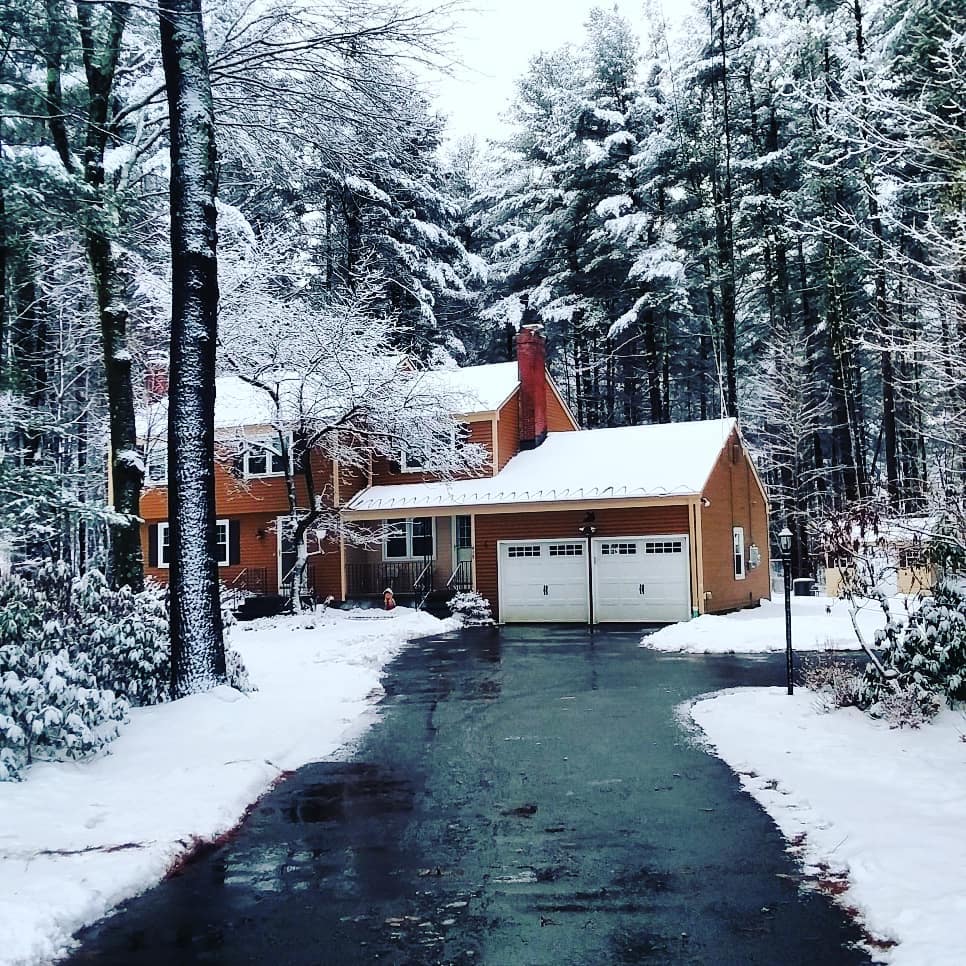

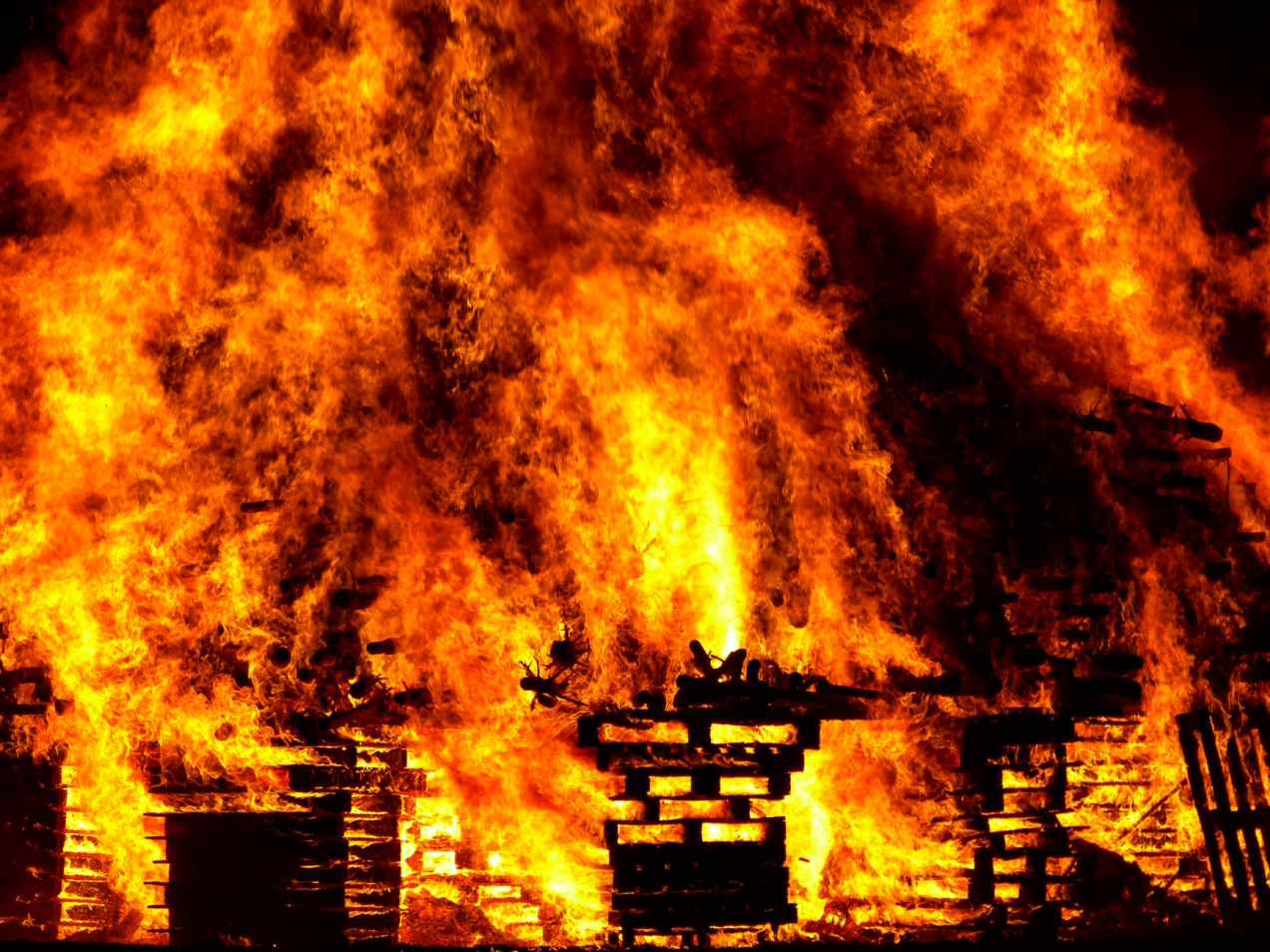
 Shored#Bitless